Masters of the Renaissance
The House of Medici
Bankers, Popes and Grand Dukes of Florence
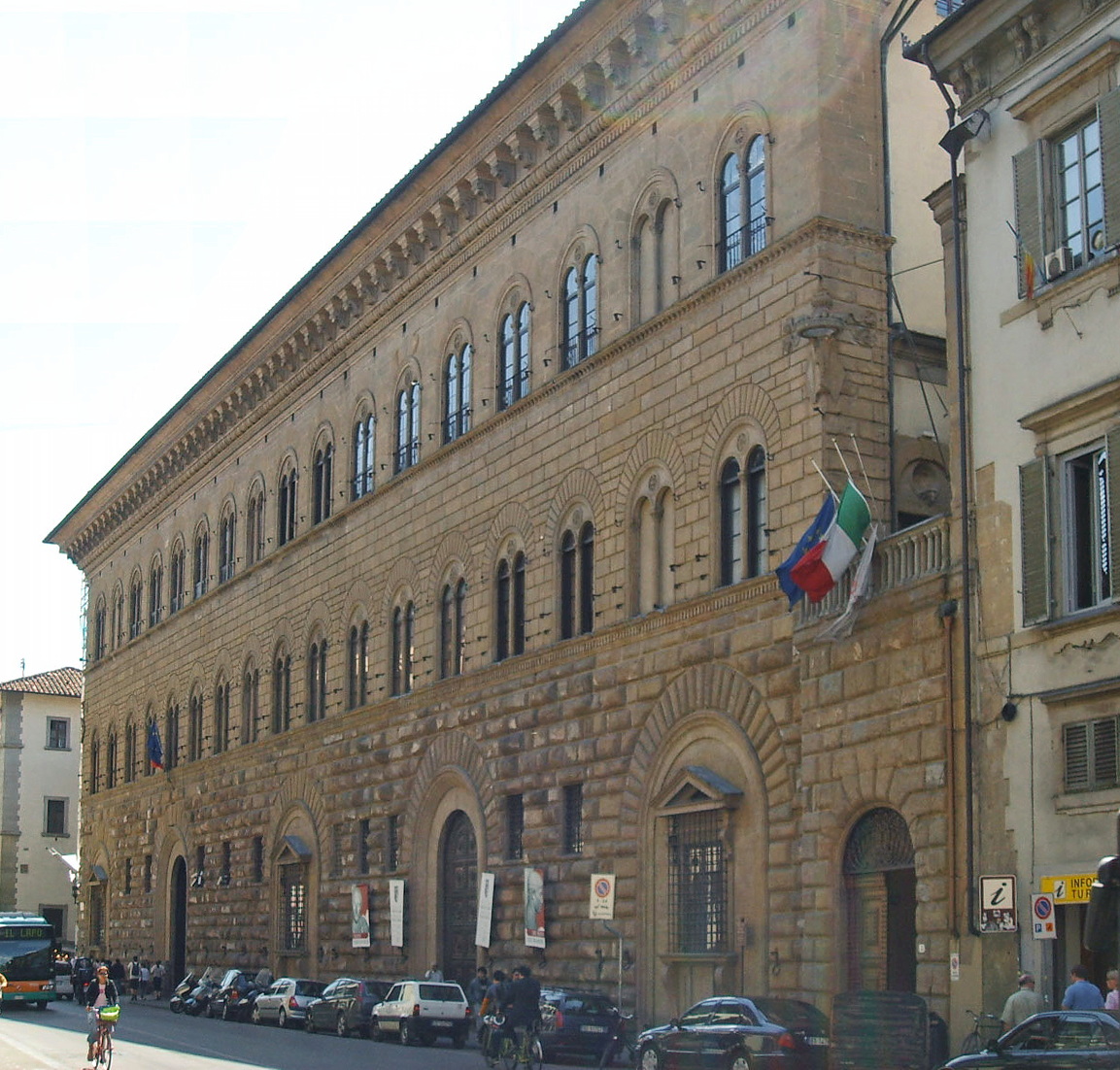
No family in the history of Europe combined money, politics and patronage so completely, or over so long a span, as the Medici. They began as Florentine wool merchants and money-changers in the twelfth century. By the fifteenth they ran the most powerful bank in Europe. By the sixteenth they ruled Tuscany as grand dukes and their daughters sat on the throne of France. When the last of their line died in 1743, she gave away everything — palaces, paintings, antiquities, the entire inheritance of a dynasty — on the single condition that it never leave Florence.
The bank that financed a continent
The Medici fortune was founded on wool, spice and money. Giovanni di Bicci de’ Medici, born around 1360, consolidated the family’s banking interests and in 1397 established the Medici Bank in Florence. Within a generation it had branches across Italy, with offices in Bruges, London, Lyon and Geneva. The papacy used it to transfer funds across Europe; kings borrowed against it to fight their wars. At its height the bank employed more staff and moved more capital than any institution in the known world.
Giovanni was careful, cautious and outwardly modest. He served in the Florentine republic’s governing councils but never sought dominance. He left his son Cosimo a bank, a fortune and a principle: spend generously, govern quietly and never make enemies you do not have to make.
Cosimo the Elder and the art of informal rule
Cosimo de’ Medici, Giovanni’s son, became the most powerful man in Florence without ever holding a title that corresponded to his power. He was exiled by rivals in 1433 and recalled by popular demand the following year. From that moment he dominated the republic through patronage, marriage alliances and the management of public debt. When he died in 1464 the Florentine government conferred on him posthumously the title “Pater Patriae”, Father of the Fatherland, the first private citizen of the modern era to receive a distinction last held by Roman emperors.
Cosimo’s patronage was on the same scale as his politics. He funded the architect Brunelleschi, commissioned Donatello’s bronze “David” and established the Biblioteca Medicea Laurenziana, which became one of the great libraries of the humanist world. His support for the Council of Florence in 1439, which briefly reunited the Eastern and Western churches, brought Byzantine scholars and manuscripts to the city, firing the Florentine rediscovery of Plato.
Lorenzo the Magnificent and the height of the Renaissance
Lorenzo de’ Medici, Cosimo’s grandson, came to power in 1469 at the age of twenty and gave his name to the moment when Florentine culture was at its peak. His court attracted Botticelli, Leonardo da Vinci and the young Michelangelo, whom Lorenzo took into his household as a boy and treated as a son. He sponsored the Platonic Academy, presided over debates between the greatest minds of the age and wrote vernacular poetry of genuine quality. Contemporaries called him “the Magnificent” and the title has stuck.
The magnificence had a violent underside. In 1478 the rival Pazzi family, backed by Pope Sixtus IV, attempted to assassinate both Lorenzo and his brother Giuliano during High Mass in the Florentine Cathedral. Giuliano was killed; Lorenzo escaped wounded. The Pazzi Conspiracy failed, but it revealed how exposed the Medici position was. Lorenzo responded with a swift purge and the hanging of the conspirators from the windows of the Palazzo della Signoria. He died in 1492 at the age of forty-two. His son Piero was expelled by the Florentines two years later, as the French army of Charles VIII crossed the Alps.
Popes, France and the return to Florence
The Medici recovered their position in Florence in 1512, restored by Spanish arms. The recovery brought its own elevation: in 1513 Lorenzo’s son Giovanni was elected Pope Leo X, the first Florentine pope, who famously greeted the news with the words attributed to him by chroniclers: “God has given us the papacy; let us enjoy it.” Leo X was a lavish patron of Raphael and commissioned the completion of Saint Peter’s Basilica, financing it partly through the sale of indulgences that provoked Martin Luther’s protest in 1517. The second Florentine Medici pope, Clement VII, presided over the catastrophe of the Sack of Rome in 1527. The third, Leo XI, reigned for only twenty-seven days in 1605.
The family also sent two queens to France. Catherine de’ Medici, great-granddaughter of Lorenzo the Magnificent, married Henry II of France in 1533 and became one of the most powerful women in French history, serving as regent during the reigns of three of her sons. Marie de’ Medici, from the grand-ducal branch, married Henry IV in 1600 and likewise served as regent for the young Louis XIII. Both women brought Italian tastes, Italian cooks and Italian garden design to France. The influence of the Medici on French court culture endured for a century after their deaths.
The Duchy and the Grand Duchy
In 1532 the Florentine republic was abolished and replaced by the Duchy of Florence under Alessandro de’ Medici, who was murdered by a cousin five years later. Real stability came with Cosimo I, who ruled from 1537 and transformed the duchy into a state of European stature. He reformed the administration, built a naval fleet, and commissioned Giorgio Vasari to construct the Uffizi Palace as offices for the Florentine magistracies. In 1569 Pope Pius V raised him to the first Grand Duke of Tuscany, placing the Medici above all other Italian princes short of royalty.
Cosimo I moved the ducal household from the Palazzo Medici Riccardi to the Palazzo Vecchio and then to the Palazzo Pitti across the Arno, connecting the two with the elevated Vasari Corridor. Tuscany under his rule and that of his successors became one of the best-governed states in Italy, its finances sound, its arts flourishing and its court a centre of scientific inquiry. Galileo taught under Medici patronage.
The last Medici and the greatest bequest in history
The grand-ducal line ran out of heirs by the early eighteenth century. Gian Gastone, the seventh and last Medici Grand Duke, died in 1737 without a legitimate heir. By the Treaty of Vienna he was succeeded by Francis of Lorraine, husband of Maria Theresa of Austria. The Medici dynasty ended with him.
His sister Anna Maria Luisa de’ Medici, the Electress Palatine, outlived the dynasty by six years. She died in 1743, the last of her line. She left her personal fortune to the Lorraine dynasty, but the Medici collections she kept for Florence. By the Patto di Famiglia of 1737, she bequeathed to the city in perpetuity all the paintings, sculptures, libraries, jewels and relics accumulated by the family across three centuries, on the condition that nothing should ever be removed from Tuscany or from the city of Florence. The Uffizi, the Pitti, the Bargello: the greatest concentration of Renaissance art in the world rests on that single act of civic generosity.
The House of Medici, Succession
The Medici rose from Florentine merchants to bankers, republican rulers, dukes and grand dukes. The sovereign line ended in 1737 with Gian Gastone; the last of the family, Anna Maria Luisa, died in 1743 and left the entire Medici art collection to Florence.
Founders and Republican Rulers
- — Giovanni di Bicci de’ MediciFounded the Medici Bank in 1397; the greatest banking house in Europe; died 1429.
- — Cosimo de’ Medici, "the Elder"Son of Giovanni di Bicci; informal ruler of the Florentine Republic; patron of Brunelleschi and Donatello; honoured posthumously as Pater Patriae; died 1464.
- — Lorenzo de’ Medici, "the Magnificent"Grandson of Cosimo the Elder; presided over the height of the Florentine Renaissance; patron of Botticelli, Leonardo and Michelangelo; survived the Pazzi Conspiracy of 1478; died 1492.
Popes of the Florentine Line
- — Pope Leo X (Giovanni de’ Medici)Son of Lorenzo the Magnificent; first Florentine Medici pope; elected 1513; patron of Raphael; commissioned the completion of St Peter’s; his indulgence sales provoked Luther’s protest.
- — Pope Clement VII (Giulio de’ Medici)Illegitimate son of Giuliano de’ Medici, nephew of Lorenzo the Magnificent; reigned 1523–1534; presided over the Sack of Rome in 1527.
- — Pope Leo XI (Alessandro Ottaviano de’ Medici)Great-great-grandson of Lorenzo the Magnificent; elected April 1605; reigned twenty-seven days; known as “Papa Lampo”, the Lightning Pope.
Queens of France
- — Catherine de’ Medici, Queen of FranceGreat-granddaughter of Lorenzo the Magnificent; married Henry II of France 1533; regent during the reigns of three sons; one of the most powerful women in French history.
- — Marie de’ Medici, Queen of FranceFrom the grand-ducal branch; married Henry IV of France 1600; regent for Louis XIII; patron of Rubens, who painted the Marie de’ Medici cycle now in the Louvre.
Grand Dukes of Tuscany
- — Cosimo I de’ Medici, first Grand Duke of TuscanyDuke of Florence from 1537; raised to Grand Duke of Tuscany by Pope Pius V in 1569; built the Uffizi and the Vasari Corridor; died 1574.
- — Gian Gastone de’ Medici, last Grand DukeSeventh and last Medici Grand Duke; died 1737 without a legitimate heir; succeeded by Francis of Lorraine under the Treaty of Vienna.
- — Anna Maria Luisa de’ Medici, the last MediciSister of Gian Gastone; Electress Palatine; died 1743; by the Patto di Famiglia of 1737 she bequeathed the entire Medici art collection to Florence in perpetuity, on condition that nothing ever leave the city.
The bankers who built the world’s greatest museum
The sovereign line of the Medici ended in 1737; the last bearer of the name died six years later. No dynastic successor carries the title or the claim. What remains is Florence itself. Anna Maria Luisa’s bequest was not a gesture of defeat but an act of deliberate creation: she turned a family’s private accumulation into a public institution, binding the Uffizi and the Pitti to the city for as long as either stands. The Medici began by financing the ambitions of kings and popes. They ended by making a gift that outlasted all of them.